
SAPP II

98,000 / 39,894
Farming Household Target vs Reached
490,000 / 199,469
Small Holders Target vs Reached
4
Districts Covered
7
Years of Implementation

Components/Outcomes and Activities

1

Increased smallholder productivity and climate resilience

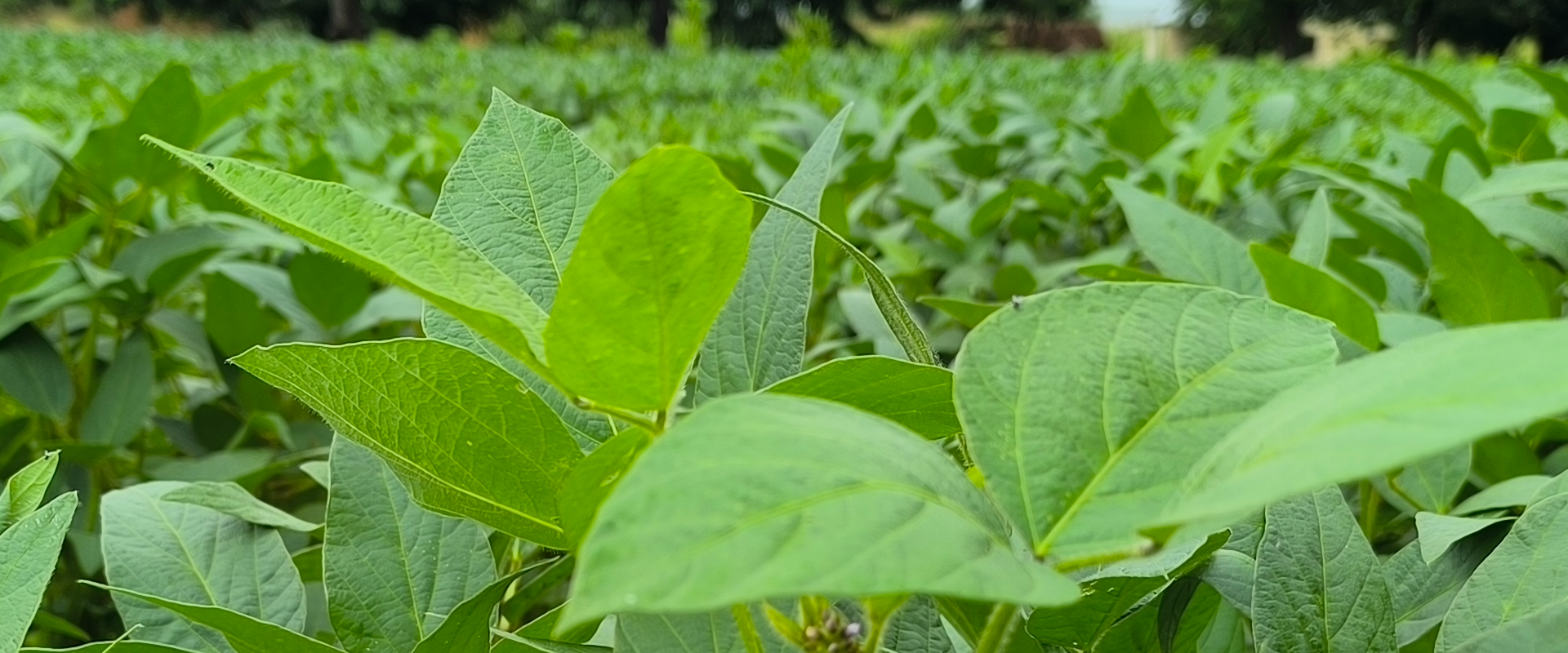
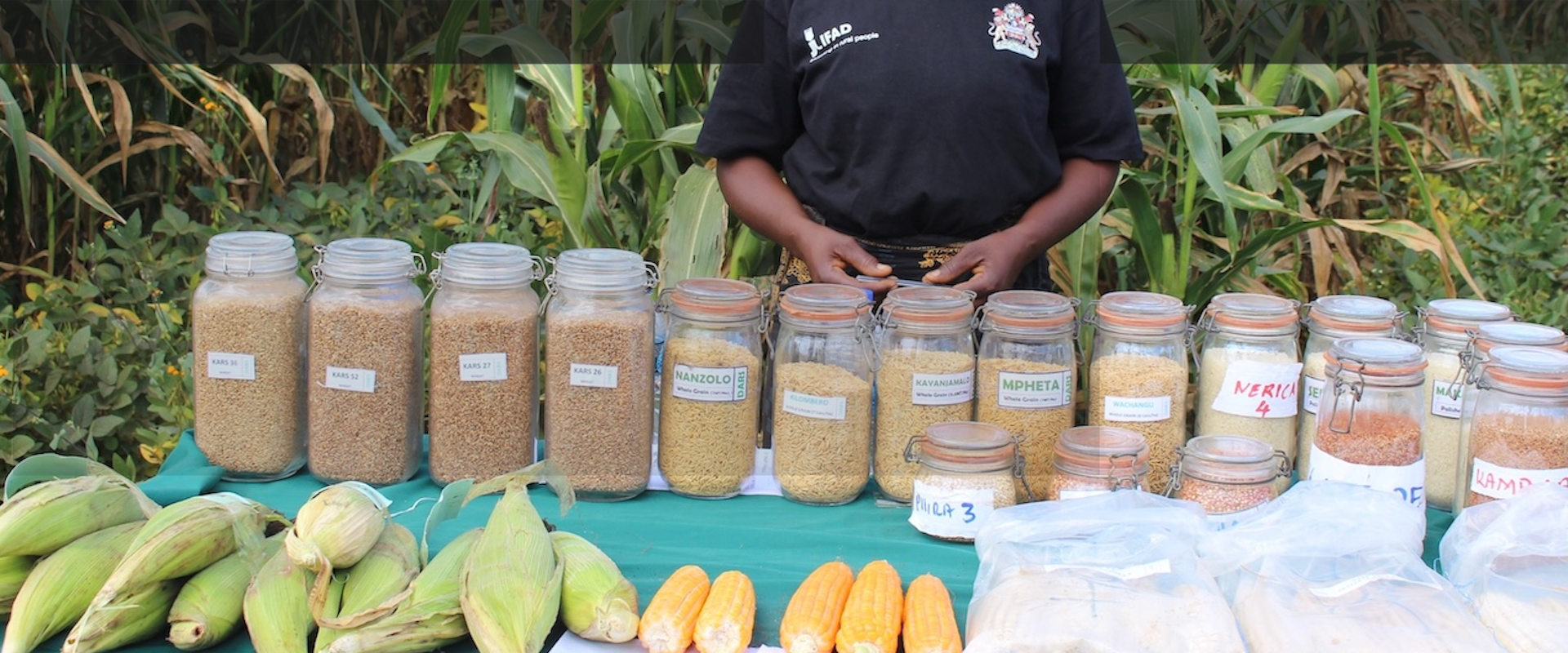
SAPP II is increasing smallholder productivity, food security, and climate resilience by promoting market-oriented crop and livestock production systems, strengthening value chains, and supporting sustainable natural resource management. The programme is enhancing climate-smart and nutrition-sensitive agriculture through research, Farmer Field Schools, digitized extension services, adaptive technologies, and gender-transformative approaches that improve farmers’ access to knowledge, inputs, and markets. SAPP II is also supporting sustainable soil, land, and water management practices such as agroforestry, soil fertility improvement, composting, and efficient energy technologies to strengthen ecosystem services and reduce farmers’ vulnerability to climate- related shocks.

2

Commercialization of smallholder farming systems promoted

SAPP II is strengthening farmer organizations and market integration by supporting producer groups with training, business development services, value addition, quality control, financial literacy, and improved access to value chain financing and market opportunities. The programme is promoting stronger market linkages through production planning, aggregation, contract farming, value addition, and multi-stakeholder platforms that connect farmers with buyers, agribusinesses, and other value chain actors, with particular attention to women and youth participation. SAPP II through the Farmer Challenge Fund (FCF) is providing competitive financial support to farmer groups and SMEs for improved production systems, agro-processing, mechanization, and market- oriented enterprises aimed at enhancing productivity, commercialization, and income generation.

3

Strengthened institutional capacity and knowledge management systems

SAPP II is strengthening the capacity of project staff, partner institutions, and frontline extension workers through training, provision of operational equipment, and enhanced district-level coordination to support effective programme implementation. The programme has established strong knowledge management and communication systems by producing and disseminating agricultural information through ICT platforms, media channels, publications, and this dedicated SAPP II website to share achievements, lessons, and success stories. SAPP II is also supporting policy development, disaster risk management, digital climate advisory solutions, and pilot weather micro-insurance schemes to enhance the resilience, commercialization, and climate adaptation capacity of smallholder farmers.

SAPP Programme

About Us

The Sustainable Agriculture Production Programme (SAPP) II will be implemented over a 7-year period (2024-2030) and will be implemented in four districts in Malawi. These include; two old Sustainable Agriculture Production Programme (SAPP) districts, namely: Lilongwe in the Central Region Balaka in the Southern Region. The two new additional districts include; Mzimba in the Northern Region and Dowa in the Central Region. The International Fund finances the programme for Agricultural Development (IFAD), Malawi Government and the programme beneficiaries.

Farmer Organisations

A total of 1192 farmer organizations have been profiled against a target of 730 Farmer organizations

Chicken and Goat Pass-on Programme

The programme continues to distribute goats and chickens to beneficiary households through the small stock pass-on programme to improve food security and household income.

Latest News

Stay updated with SAPP programme activities and announcements.

MoAIWD, SAPP II sign MoU with MBS to facilitate agro-products certification
Programme News
MoAIWD, SAPP II sign MoU with MBS to facilitate agro-products certification

The Ministry of Agriculture, Irrigation and Water Development (MoAIWD), in conjunction with the Sustainable Agricultural Production Programme (SAPP II), Friday signed Memorandum of Understanding (MoU) with the Malawi Bureau of Standards (MBS) to ensure that farmer organizations and cooperatives under SAPP II produce quality and certified products for the market. The signing of the MoU took place at the Ministry’s Headquarters at Capital Hill in Lilongwe in presence of MBS Director General, Symon Mandala; MoAIWD Principal Secretary (Admin.) Ben Nkasala; and SAPP II National Project Coordinator, Rex Baluwa. Nkasala hailed the partnership, saying it will contribute towards improving product quality, enhancing market access, increasing consumer confidence and, ultimately, improving incomes and livelihoods of farmers under the SAPP II project. He said through the SAPP II project the ministry is mobilizing farmers into cooperatives and farmer organizations for them to embark on massive agro- processing and value addition for local and international market. “Meaningful market participation cannot be achieved without robust compliance with established standards and certification systems: This is the critical gap that our partnership with the Malawi Bureau of Standards will address,” explained Nkasala. He added: “By bridging production, quality assurance, and market requirements, we are embedding sustainability and compliance at the heart of SAPP II’s results framework.” On the other hand, MBS Director General, Symon Mandala, commended the MoAIWD and SAPP II for considering MBS as a strategic partner, saying the collaboration will empower farmer organizations to access the market. Mandala said following the Agreement, the Bureau will provide training and technical guidance on national and international standards; quality assurance training; product certification service; and increased awareness of standards compliance as a market entry tool. “It’s very important that they’ve decided to involve us right at the early stage because, quite often, products are produced elsewhere only for the companies to involve us at the final stage for the Bureau’s quality mark and when we tell them the required procedure, they label the Bureau a stumbling block,” said Mandala. He further appealed to MoAIWD and SAPP II to ensure that there’s continued coordination; effective communication; and timely resource allocation and release for the collaboration to be successful. SAPP II is being implemented with support from the International Fund for Agricultural Development (IFAD) and it is promoting agricultural commercialization, productivity and resilience among smallholder farmers in targeted districts of Balaka, Lilongwe, Dowa and Mzimba. The core priority of SAPP II is to enable farmer organisations to participate effectively in structured, competitive, and profitable markets. According to the Project’s National Coordinator, Rex Baluwa, over 230 farmer organisations have been profiled under the SAPP II and they will soon receive matching grants for value addition and agro-processing initiatives. “These farm organizations need our support and I’m happy that as we’ll be starting to do capacity building with them, we will start together with MBS so that the farmers know exactly what to do to meet the required standards,” said Baluwa.

Read More
RED Complements Government’s Food Security Efforts
Update
RED Complements Government’s Food Security Efforts

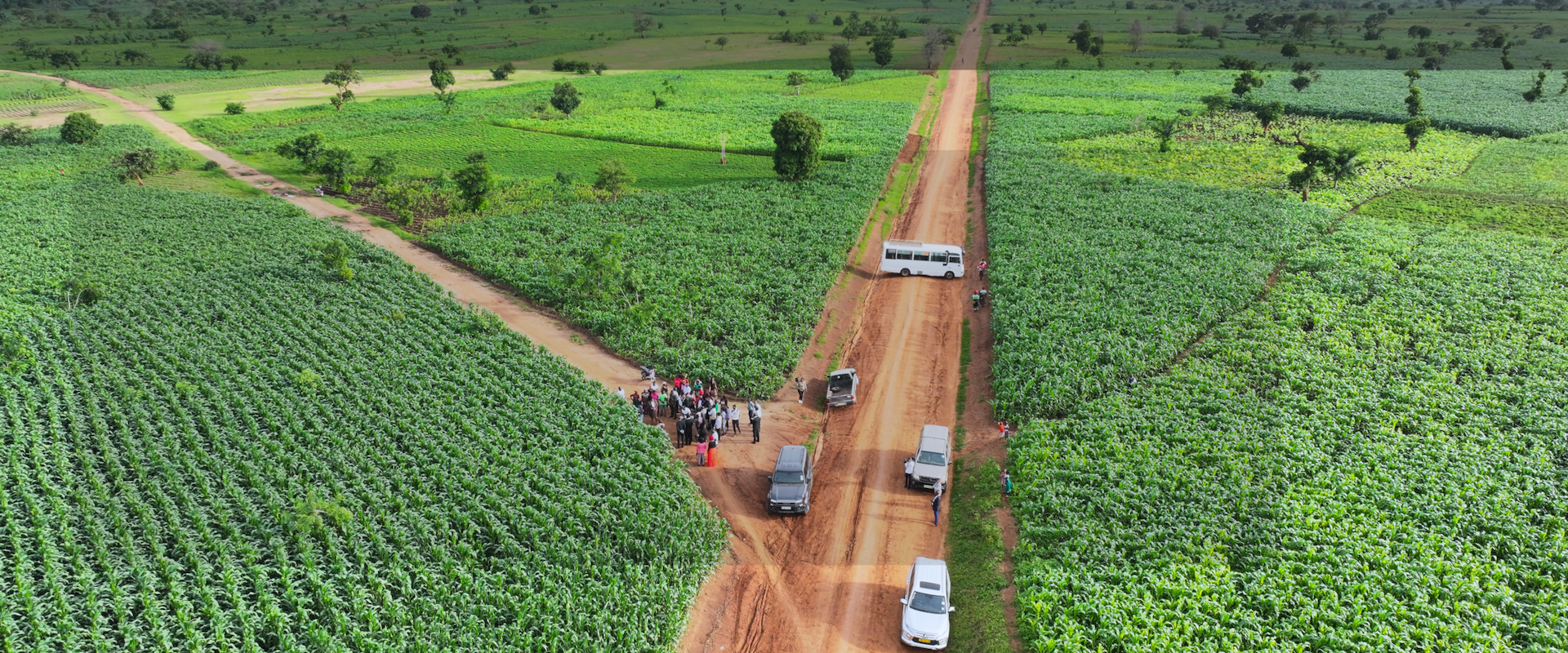
Minister of Agriculture, Irrigation and Water Development, Rosa Mbilizi, recently expressed gratitude for the role that the International Fund for Agricultural Development (IFAD) is playing in supporting the government’s Farm Input Subsidy Programme (FISP) to reach more farmers. The minister made these remarks at Kumitengo Village, under Senior Chief Kalumbu in Lilongwe District, when she toured farmers benefiting from the Response to Emergencies and Disasters (RED) project under the Sustainable Agriculture Production Programme (SAPP II). “I would like to thank IFAD for supporting us with US$3 million in this programme so that we can reach more farmers. My expectation as Minister of Agriculture, and that of the President of Malawi, Arthur Peter Mutharika, is that there should be no hunger in Malawi, and that farmers must be motivated to work hard in order to achieve our goal of food security in the country,” she said. During the visit, the minister toured the Kalumbu FISP market, where she interacted with market officials and farmers to understand their experiences with the farm input redemption process, as well as the challenges they were facing. She later inspected maize fields belonging to some of the beneficiaries in order to appreciate how the farm inputs under the programme were being utilized. Mbilizi said she was pleased that, by mid-January 2026, the redemption rate of fertiliser and certified seed under the RED component had reached 85 percent. “We expect maize prices to continue going down. Around the same time last year, a 50-kilogramme bag of maize was selling at about K110,000, but now the same bag is selling at around K50,000. By the time we complete FISP in mid-March, we will have more maize in the country, and that should continue to drive maize prices down,” she said. According to SAPP II National Coordinator, Rex Baluwa, the RED component was deliberately incorporated into SAPP II to respond to emergencies and disasters affecting food security. “When the President declared that there was a food crisis in the country, as a project we approached our financiers, IFAD, and they agreed to the proposal to help the government support farmers so that they could easily access farm inputs for this season,” he said. According to Baluwa, SAPP II procured 2,200 metric tonnes of NPK and Urea fertilisers, as well as 22,000 five-kilogramme maize seed packs through the RED component. “Through this programme, we are supporting 22,000 farmers: 17,950 beneficiaries in Lilongwe District and 4,050 beneficiaries in Balaka District. The fertiliser was redeemed at the subsidized price of K10,000 for NPK and K10,000 for Urea, while the 5kg certified maize seed was free for all beneficiaries,” he added. Baluwa further noted that the RED component has been highly successful in both districts, achieving a redemption rate of 100 percent.

Read More
IFAD Supervision Mission
Programme News
IFAD Supervision Mission

IFAD Supervision Mission for the programme is scheduled to take place from 22 June-3 July. The objective of the Mission is to track the project’s implementation progress for the 2025/26 implementation year.

Read More

Success Stories

RED BAILS OUT YOUTHFUL FARMERS
Lezina - We'll sell the surplus maize and invest in business of our choice

RED BAILS OUT YOUTHFUL FARMERS

A youthful couple – Braveson Chithope, 28, and Lezina Keliasi, 25 – from Kumitengo Village, Nyanja Extension Planning Area (EPA) under Senior Chief Kalumbu in Lilongwe has all reasons to walk tall as the 2025/2026 growing season harvesting period approaches. The couple had always desired to farm beyond subsistence, but low access to inputs coupled with unforgiving long dry spells had always stood in the way over the past growing seasons. But the young couple is singing a different song in the 2025/2026 growing season as, by 10th February 2026, the Chithopes’ maize crop field had already confirmed a pending bumper yield, with long and healthy maize cobs in their field. “It’s a one-acre field and as you can see, the yield is very promising,” explained Chithope’s wife, Lezina, during a media tour mid-February 2026, and she went on: “We are expecting not less than 80 bags of maize from this field as the variety that you’re seeing here is a long duration variety, which yields way beyond 100 bags per acre.” Her husband, Braveson, had expressed similar optimism earlier, mid-January, when the Minister of Agriculture, Roza Mbilizi, had visited the stand as the maize crop was just about to tassel. Braveson and his wife are among farmers in Lilongwe who benefitted from the Response to Emergency and Disaster (RED), a contingency component within the Sustainable Agricultural Production Programme (SAPP II), designed to respond to emergencies and disasters that may arise in Malawi. Despite the dry spell that threatened farmers in a number of districts, including Lilongwe and Balaka, most RED beneficiaries have been least affected, with their maize crop promising a bumper yield, raising hopes of prosperity among older and younger farmers like Braveson and his wife, Lezina. “When we harvest our maize, we plan to reserve a few bags for consumption up to the other harvest and sell the rest,” explained Lezina, adding: “Then we will invest the generated income into a business of our choice and make more gains.” Elsewhere in Malingunde EPA, the unfolding results of the RED support package have also gotten another youthful beneficiary, Kelvin Lyson, dreaming big. Lyson is 23, and a Form One dropout with a growing ambition to go back to school and pick up from where he left. Although his maize was a few days from tasselling in mid-February, the crop stand was an open secret — all being equal, Lyson is likely to fulfill his longtime dream. “Farming has never been easy for us due to high prices of inputs such as fertiliser and seed,” explained Lyson, who comes from a family of six children, with a single mother. “But this year farming has been very easy with the RED support and, for the first time in years, we may have enough food for the family’s consumption, and surplus to sell.” Lyson is optimistic that he will be able to return to school after selling the surplus maize, come harvest time. The picture is generally the same among most of the RED Component beneficiaries in the six EPAs in Lilongwe: farmers are now seeing themselves bidding farewell to food insecurity, a development that has left both SAPP II implementors and government smiling. “As a programme we’re happy with the way the farmers have made use of the inputs,” explained SAPP II National Programme Coordinator, Rex Baluwa, in an interview. “Our expectations are that farmers will have bumper yields, which will contribute to household food security, nutrition security and increased incomes,” he explained. Similarly, the Minister of Agriculture, Irrigation and Water Development, Roza Mbilizi, expressed satisfaction with the prospective outcome of the RED Component given the maize crop outlook in the fields she toured in Lilongwe mid-January. “I’m very excited that this program has benefitted the farmers from these areas — especially the young farmers,” said Mbilizi after the Chithopes’ maize stand had won her heart. “It gives me a lot of excitement to see young people getting involved in farming; and I’m also very thankful to International Fund for Agricultural Development for funding the RED Component under SAPP II,” she continued. According to the minister, the RED Component is in line with President Peter Mutharika’s State of Disaster declaration made in October 2025.

Lilongwe
SINGLE MOTHER ESCAPES DESTITUTION
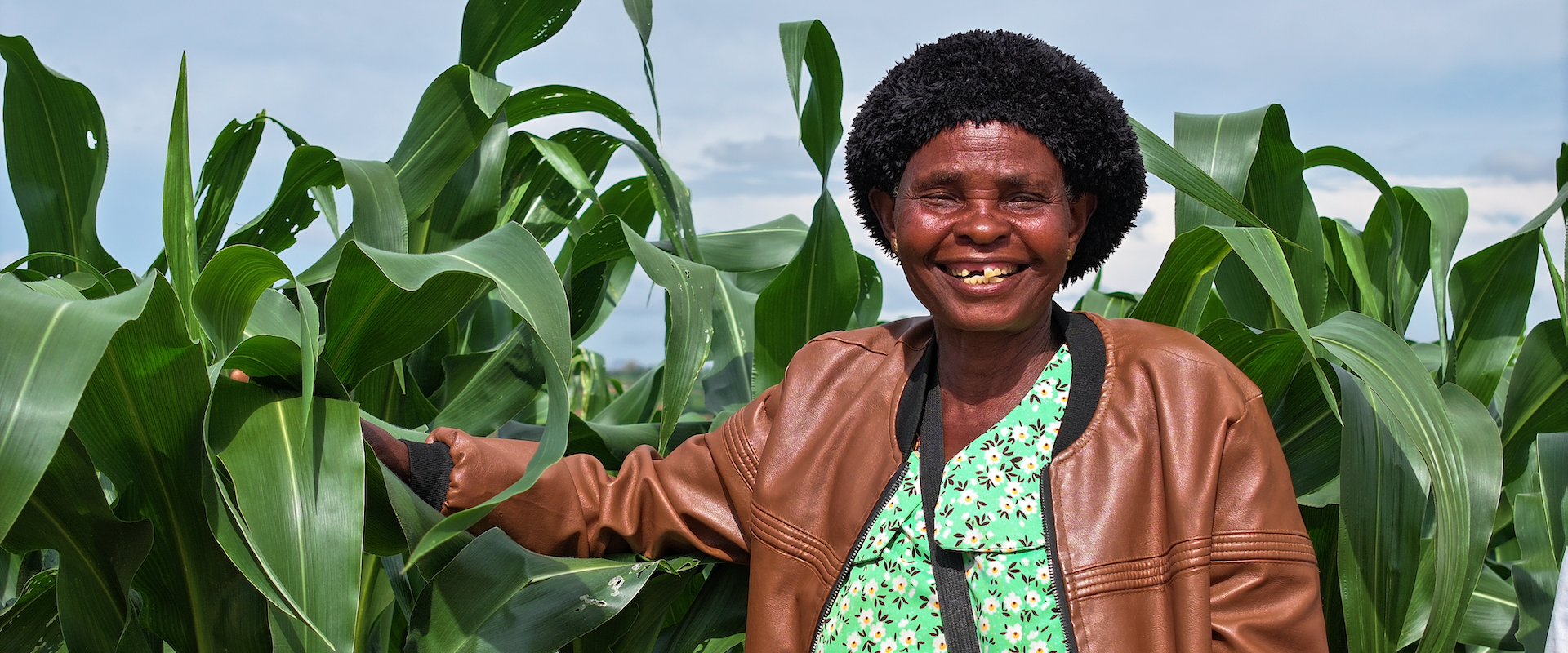
Makulata Sinkayika poses in her maize field with a smile.

SINGLE MOTHER ESCAPES DESTITUTION

All odds were against Makulata Sinkayika from Sonkhwe in Nyanja EPA in Lilongwe. As if being single and penniless was not enough, she suffered economic exclusion. She could not get any loan to support her farming, let alone her child’s education. She was duly identified as needy and registered on the national subsidy programme, but could not buy the fertiliser due to programme hiccups and the ever-shrinking number of targeted beneficiaries the government could afford. She had no fallback plan. She lived hand to mouth in a grass-thatched, mud-walled house. SAPP I brought a flicker of hope with chickens, but she dreamed of more. “I received 10 chickens from SAPP I. The chickens multiplied, assisted my family and supported my kid’s education, who is now in Form 3 in secondary school,” she disclosed. With the inception of SAPP II, her dream has grown. It has become even better with the RED component supported by International Fund for Agricultural Development. “I now want to grow more crops for sale to buy oxen and an oxcart,” she said. While SAPP I assisted her to produce more and get income for her family needs, El Niño weather had eaten into all the successes of the previous years as her area experienced dry spells two years in a row. El Niño While she had constructed a better iron-roofed house, she had no food. However, her story has changed. “Luckily in SAPP II I have benefitted from the subsidized inputs. I have planted certified seed and I am expecting to harvest over 80 bags of maize from my acre. Previously, I could get less than half of that. I used to farm without extension services and now I get the help. “Now I know it is possible to grow enough food and I want to grow legumes too to use the proceeds to buy oxen and an ox-cart,” she concluded.

Lilongwe
Subsidized Farm Inputs Overcoming Food Insecurity, Boosting Incomes
Senior Group Kalumbu, happy with progress made.

Subsidized Farm Inputs Overcoming Food Insecurity, Boosting Incomes

Beneficiaries of the subsidized farm inputs programme under the Sustainable Agriculture Production Programme (SAPP II), financed by the International Fund for Agricultural Development (IFAD), have hailed the initiative as a real game changer in achieving household food security. Through the initiative, maize seed is fully paid for by the project, meaning farmers redeem it at no cost, while fertilisers are accessed at a subsidized price of K10,000 per 50-kilogramme bag, in line with the government’s Farm Input Subsidy Programme (FISP). One of the beneficiaries, Lezina Keliyasi, explained that after being shortlisted as one of the recipients of the subsidized inputs, preparations in her maize field began in earnest. She confessed that previously she practiced farming without giving proper care to her crops and often applied insufficient fertiliser, but now her approach has changed. “The coming in of affordable fertiliser from SAPP II has enabled me to apply it in my maize garden this year, and the expectation is that I will have a bumper harvest of not less than 80 bags per acre. Here in Traditional Authority Kalumbu’s area, we used to harvest maize, but it was never enough to sustain our household throughout the year. This time around, as a family, we will have enough to eat and some to sell. We expect to do more business, as SAPP II is encouraging us to generate more income,” said Keliyasi. SAPP II follows the earlier Sustainable Agriculture Production Programme (SAPP), which was also funded by IFAD and supported farmers through various interventions, including the livestock pass-on programme. SAPP II includes the Response to Emergencies and Disasters (RED) component, which primarily focuses on improving household food security. The component complements FISP by targeting smallholder farmers affected by disasters. However, some beneficiaries under the programme have reported increased prospects for earning income from their yields. Keliyasi has since urged fellow farmers to be proactive, determined, and make use of organic manure for their crops so that they do not rely solely on government support. Senior Group Village Headman Kalumbu, from Traditional Authority Kalumbu in Lilongwe, expressed satisfaction with the progress made. The chief explained that when the RED component was introduced in Nyanja Extension Planning Area (EPA), identified beneficiaries received free certified maize seed and were able to redeem fertiliser on time. Senior Group Village Headman Kalumbu said farmers are expecting to harvest more than 80 bags, thanks to the guidance from extension staff who encouraged them to adopt good agricultural practices. He further called on his subjects to actively participate in farming activities in order to achieve both food security and improved household incomes.

Lilongwe
Chiefs Smile as Disaster Relief Initiative Bails Out Subjects
Kasoni happy with RED effect

Chiefs Smile as Disaster Relief Initiative Bails Out Subjects

Recently, Lilongwe Senior Group Village Heads (GVHs) Kalumbu and Kasoni, under Senior Chief Kalumbu and Traditional Authority (TA) Msinde respectively, found themselves—perhaps unknowingly—echoing the words of 19th-century American author John Muir, who once wrote: “People are ungovernable when hungry.” The Response to Emergency and Disaster (RED) component under SAPP II, being implemented in eight targeted Extension Planning Areas (EPAs) in Lilongwe and Balaka, may have just made governing easier for chiefs, thanks to the promising bumper harvest witnessed during field visits in mid-February. In Chitsime and Nyanja EPAs under Senior Chief Kalumbu, and in Nyang’amire EPA under TA Msinde, all sampled maize fields supported under the RED component conveyed one clear message: farmers will not only have enough food for their households, but also surplus income to invest. “We’ve bade farewell to hunger—see it for yourself!” said Senior GVH Kalumbu, gesturing toward a thriving maize field belonging to a young couple, Braveson and Lezina Chithope of Kumitengo Village under Nyanja EPA. Armed with two bags of fertilizer (NPK and Urea), obtained at a subsidized price of K10,000 each, and a free 5-kilogram pack of certified maize seed, individual farmers are expecting to harvest between 50 and 80 bags of maize, each weighing 50 kilogrammes, from a single acre. “What you’re seeing in this maize field belonging to the Chithopes is exactly what you will find among all RED farmers who not only applied the inputs, but also embraced the good agricultural practices we learned through SAPP II, especially in ridging and planting,” explained Senior GVH Kalumbu. He continued: “This component of SAPP II has been very helpful to our farmers, and we are confident of a bumper harvest among the farmers under Kalumbu’s jurisdiction.” “Imagine what one would do with 50 or more bags of maize! Hunger would be history. And as chiefs, we would have fewer disputes to settle among our subjects, because most conflicts arise when people cannot feed themselves,” Kalumbu added.

Lilongwe
>

Upcoming Events

Stay updated with the latest SAPP programme events and activities.

29
JUN
-
03
JUL
Meeting
ILSA Launch

The Programme is scheduled to launch the Investing in Livelihood Resilience and Soil Health in ACP countries (ILSA): Sustainable and resilient agriculture in Malawi during the week of 29 June-3 July.

Lilongwe
-
24
JUN
-
29
JUN
Meeting
Seasonal Farmer Training Workshop

test again

Lilongwe
08:00 - 14:00
22
JUN
-
03
JUL
Mission
IFAD Supervision Mission

The objective of the Mission is to track the project’s implementation progress for the 2025/26 implementation year.

Lilongwe
-
02
JUN
-
04
JUN
Field Day
Content Collection for Radio Programming in Balaka and Lilongwe

The programme will conduct field visits to chat with project beneficiaries in order to collect content for radio programming.

Balaka and Lilongwe
08:00 - 16:00